Maintenance · 16 October 2026 · 4 min read
How to look after an organ: seven tips for parishes
Most serious faults in organs are caused not by playing, but by heating, damp, dust and years without an inspection. Here is what to watch for.
The organ is the most expensive and most complex object in most churches, and we often remember it exists only when it falls silent just before Christmas. With a little attention through the year, there can be far fewer major repairs.
1. Heat slowly
Sudden heating of a cold church dries out the air, so wood cracks and wind chests start to leak. If the church is heated, let the temperature rise gradually and do not let warm air blow directly towards the organ.
2. Watch the humidity
Wood and leather prefer a moderate and steady humidity, roughly between 50 and 70 percent. Air that is too dry brings cracks, and air that is too damp brings mould and corrosion. A simple hygrometer in the choir loft costs little and tells you a lot.
3. Play regularly
Organs that are not used deteriorate faster than those that are played. Regular playing keeps the mechanics moving and airs the pipes. Occasionally the rarely used stops should be drawn too.
4. Work in the church? Protect the organ first
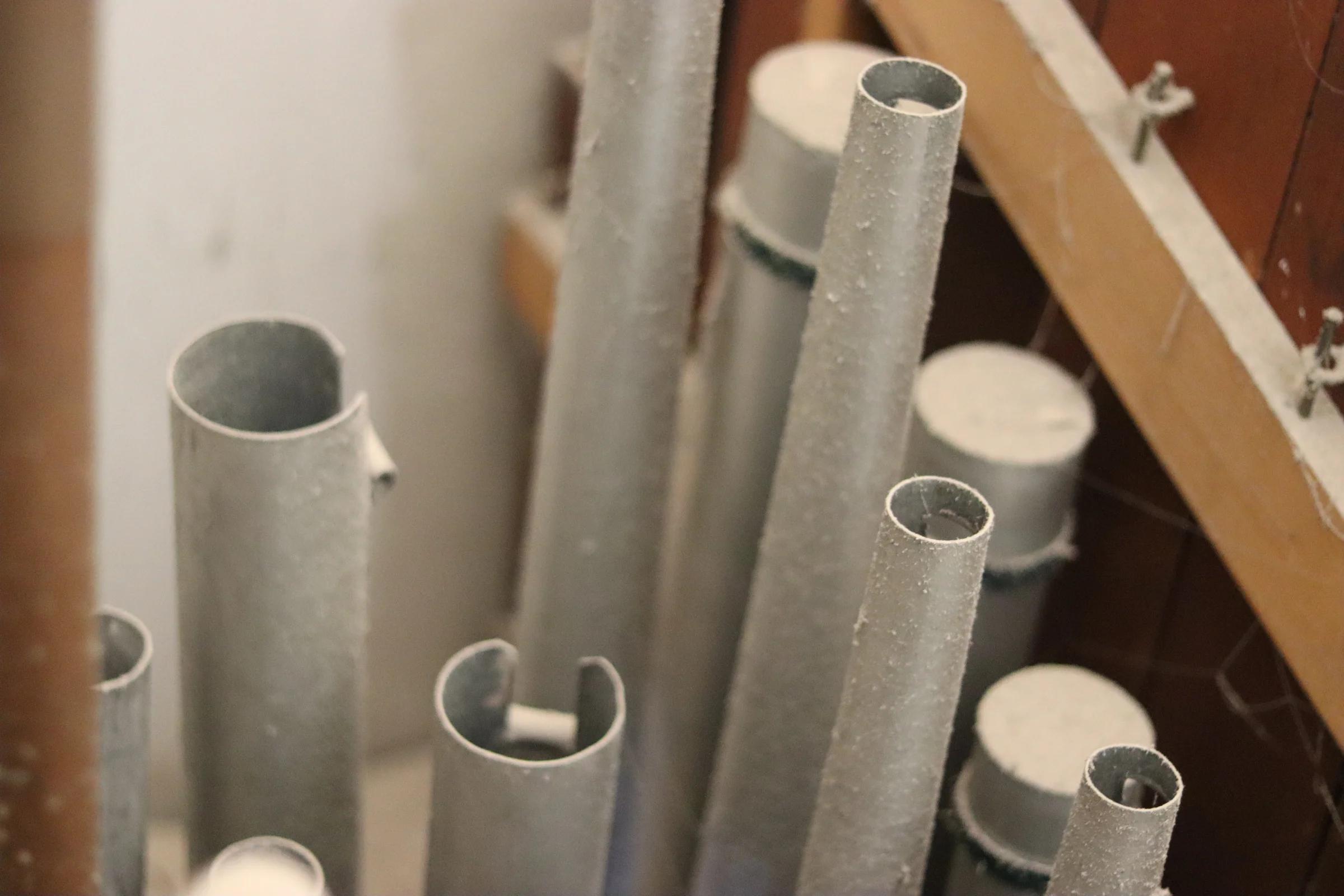
Painting, sanding and plastering are the biggest danger for an organ. Fine dust gets into the pipes and valves and can later be removed only by taking the instrument apart. Before any work, the organ should be properly covered by an expert, and you are welcome to call us for advice.
5. Woodworm and rodents
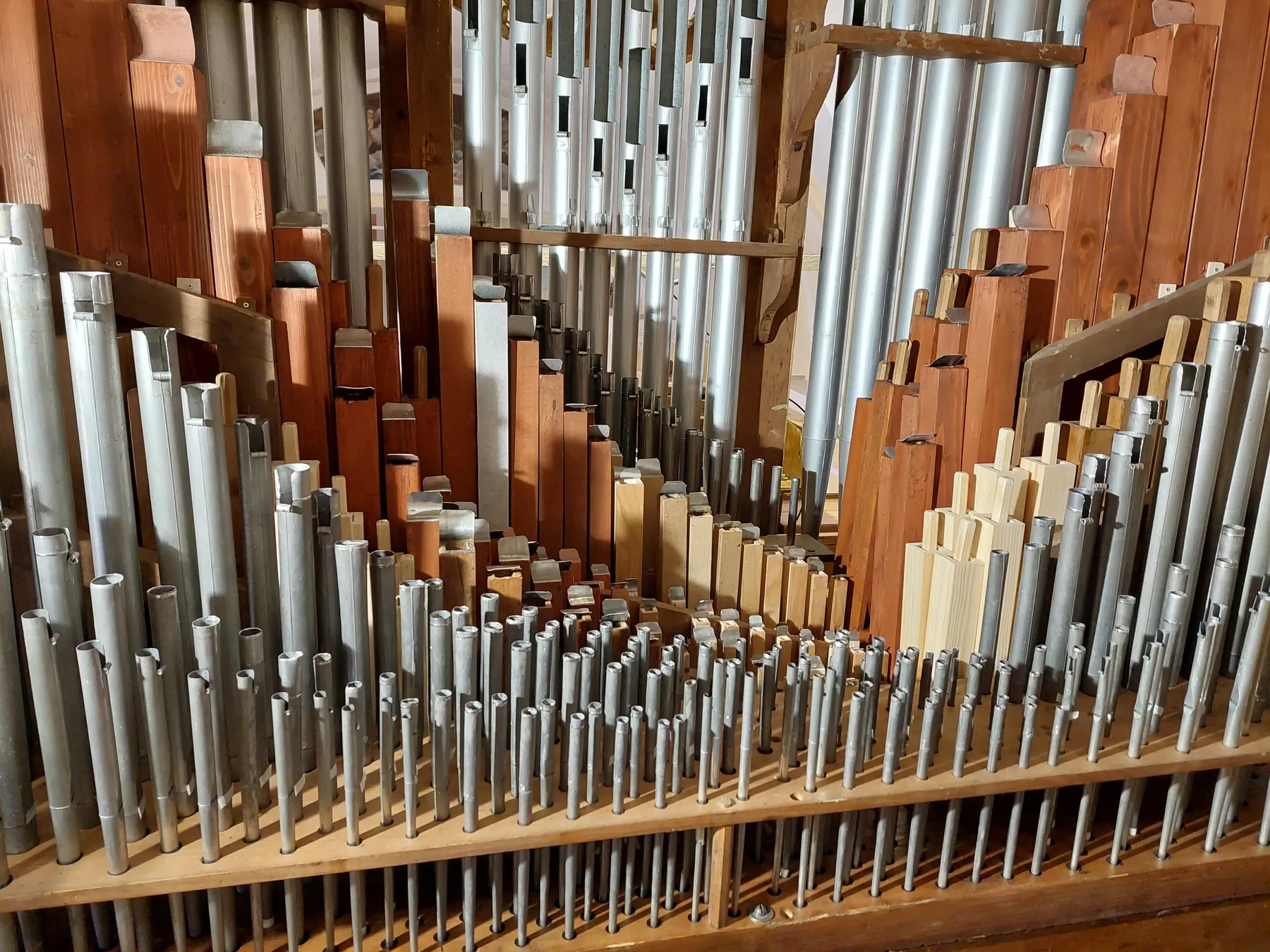
Fine wood dust under the case or the pipes is a sign of woodworm. Mice, meanwhile, gladly gnaw leather and felt. The earlier it is noticed, the smaller the repair.
6. Do not repair it yourself
A pipe that does not speak or a note that will not stop is often a small matter, but bending pipes, sticky tape and oil on the mechanics regularly do more damage than the fault itself. Write down which note and which stop cause the problem and tell the organ builder.
7. Regular inspection and tuning
One inspection with tuning a year is enough for most instruments. Reed stops, which are more sensitive to temperature, sometimes need tuning more often. With regular inspections, small problems are solved before they become expensive.
Have a question about your organ? Send us a message with a few photographs and a short description, and we will tell you what would be good to do.