Restoration · 30 October 2026 · 5 min read
Organ restoration: what is actually done, and what it looks like before and after
An old bellows that leaks, pipes full of dust, woodworm in the timber. Using our own examples, we show what restoration means in practice.
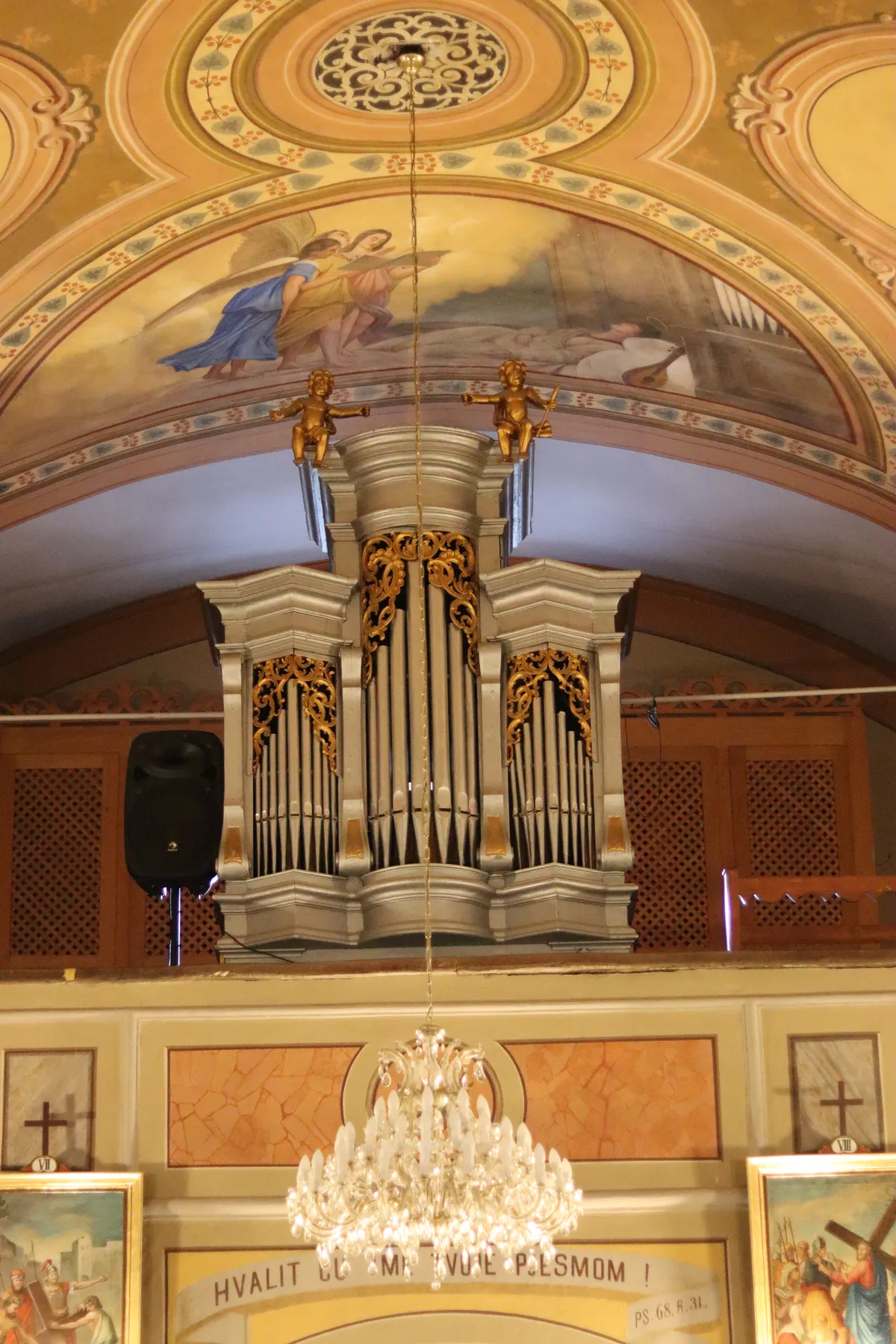
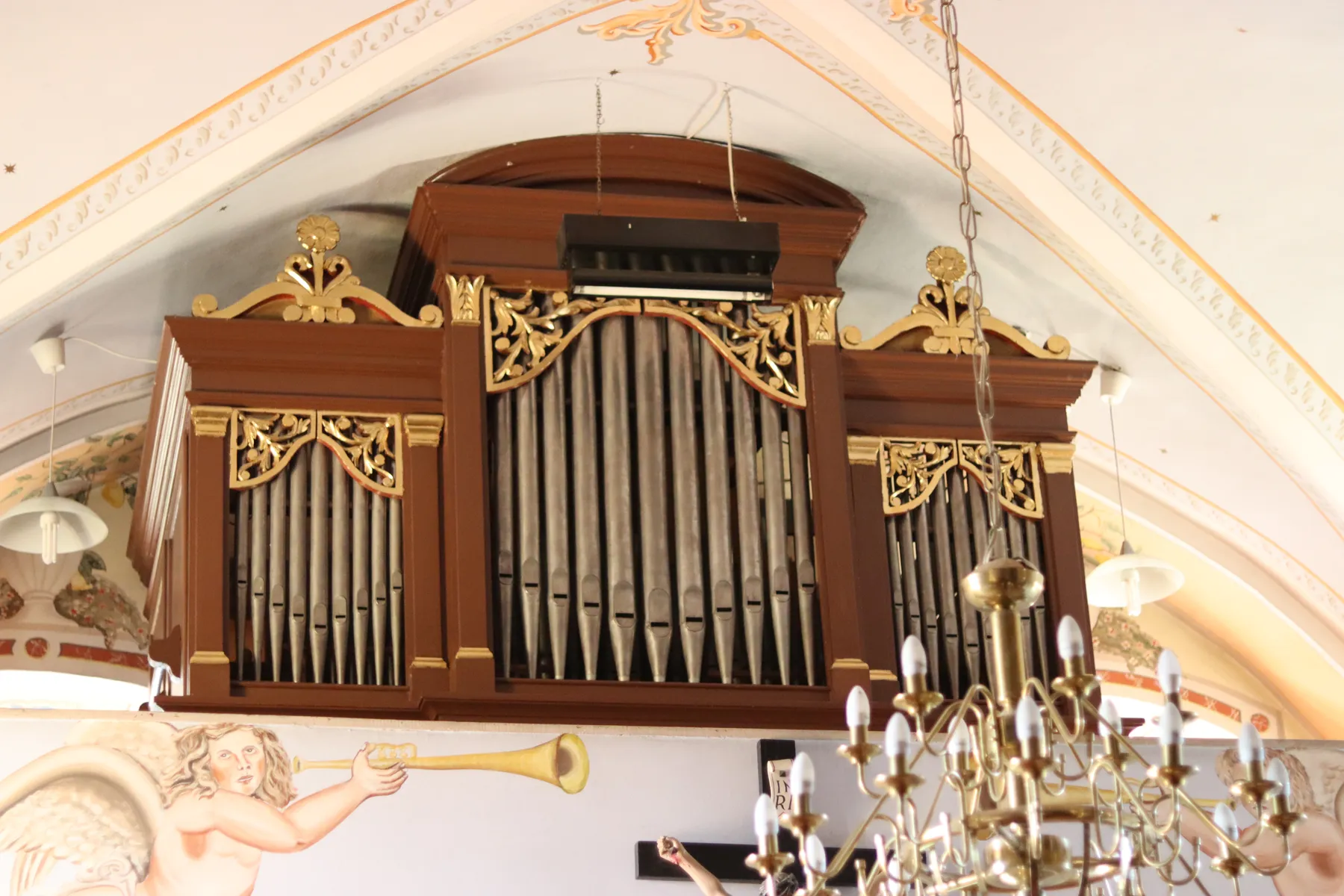
Organs are built to last for centuries, but not without help. The leather on the bellows dries out and cracks over the years, dust settles into the pipes, woodworm attacks the timber, and in places someone before us repaired things as best they knew how. Restoration means giving the instrument back what it had, not turning it into something else.
Inspection first, tools later
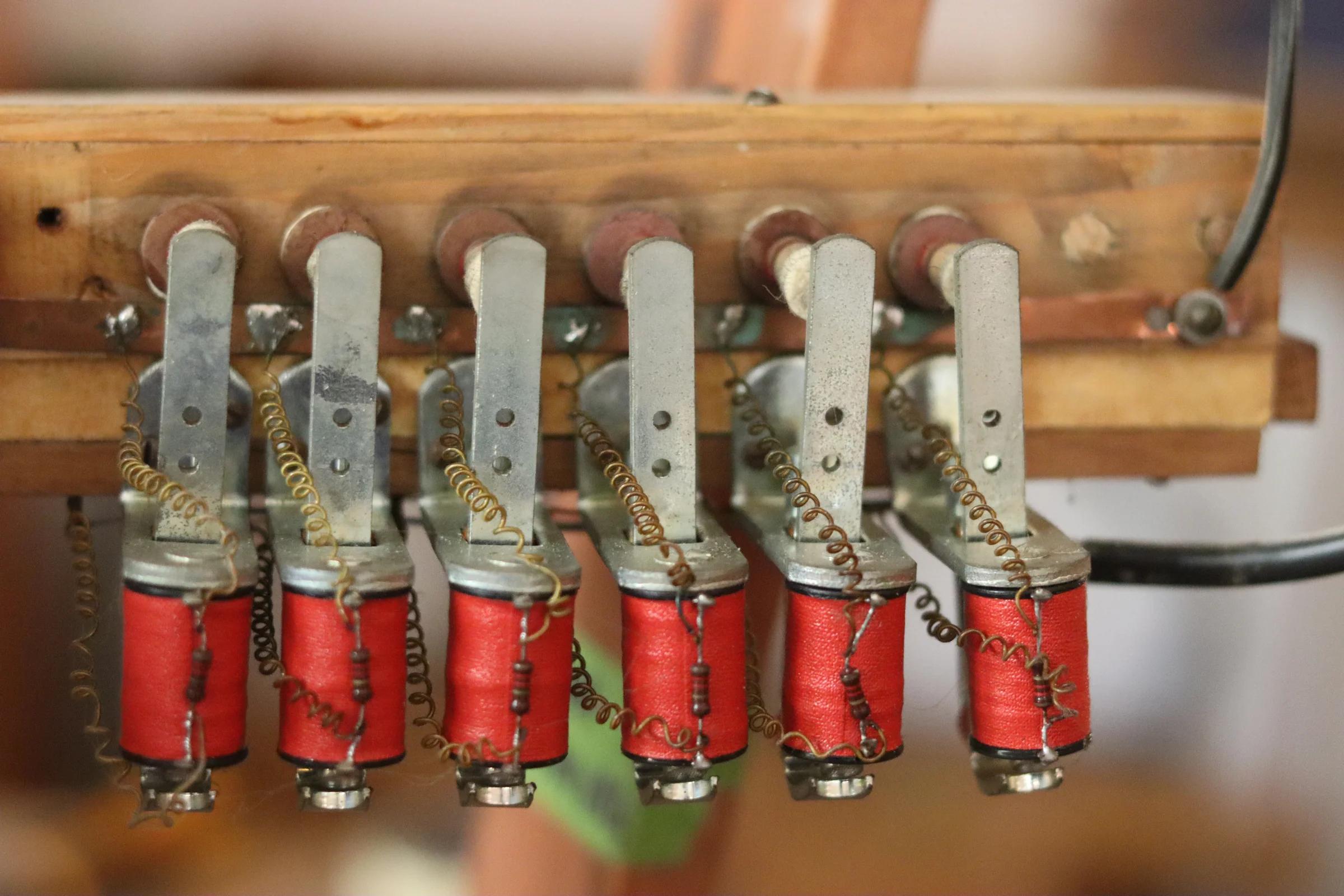
Every job begins with an inspection. We list the stops, check the bellows, wind chests, action and pipes, and look for woodworm and traces of damp. Only when we know what is original and what was added later can we propose the work. For organs that are protected cultural heritage, the work is agreed with the responsible conservators.
The bellows
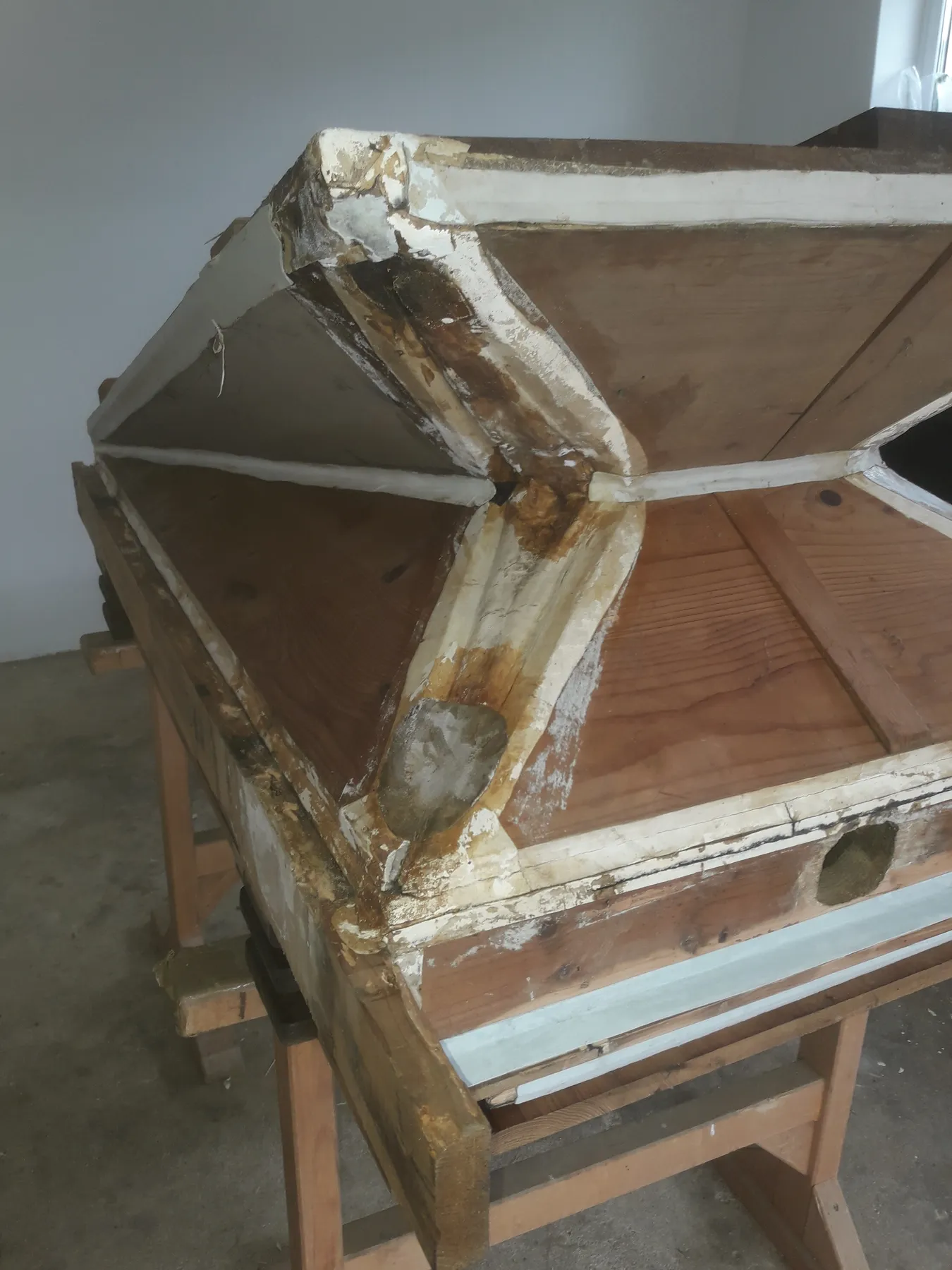
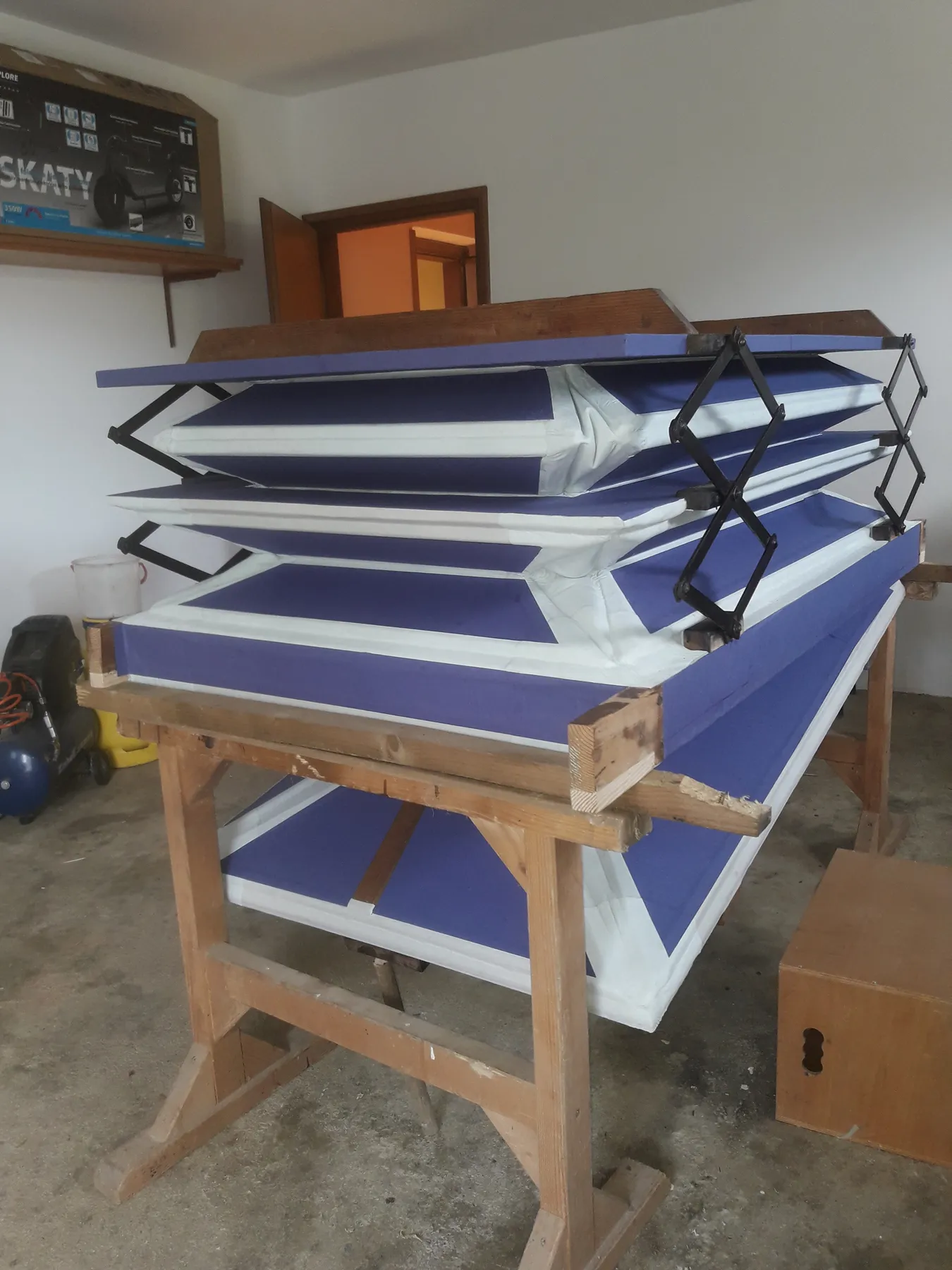
The bellows are the lungs of the organ. When the leather gives way, air escapes, the blower runs without stopping, and the tone wavers. We take the bellows apart, clean the wood, replace the leather and close them up again.
The pipes
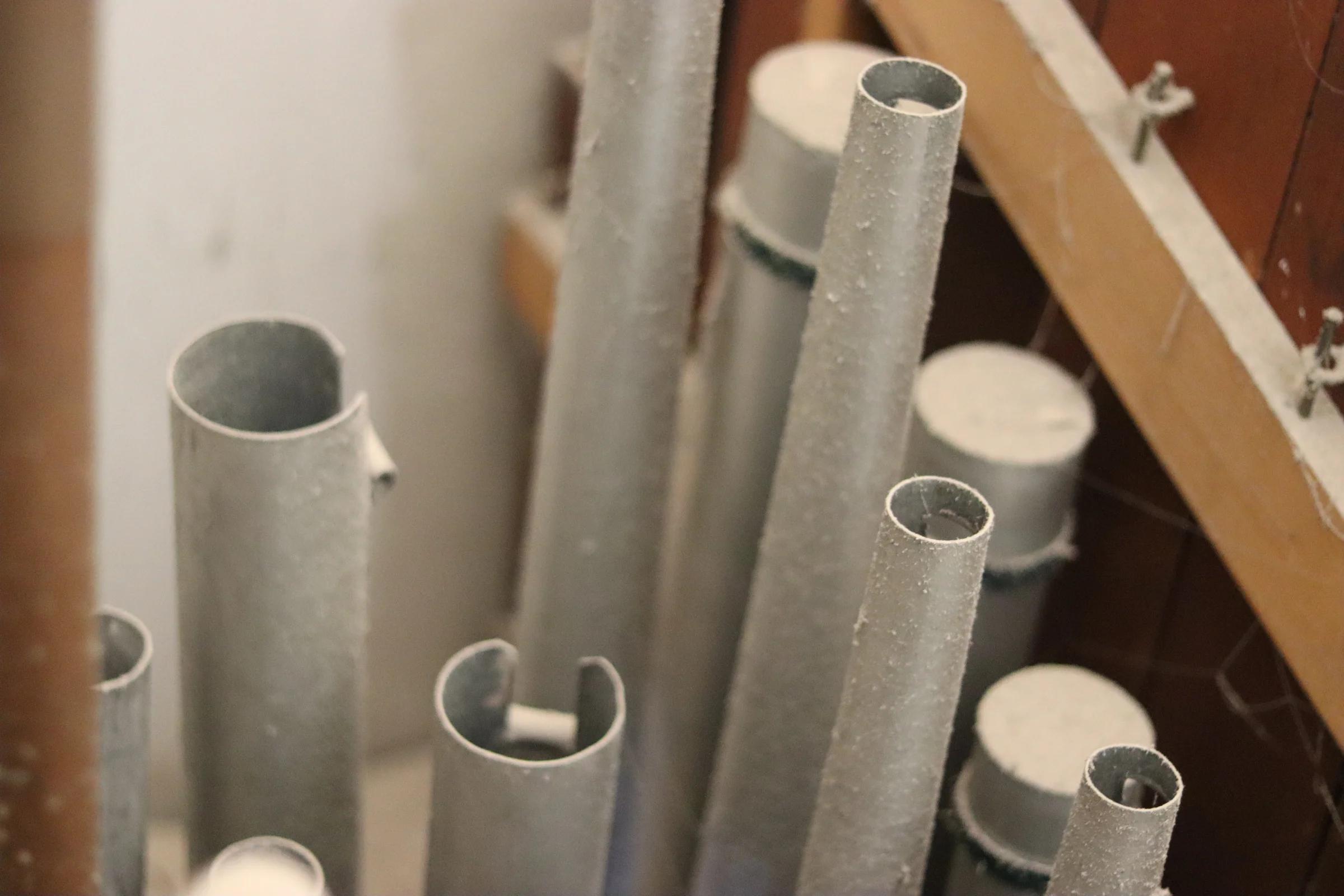
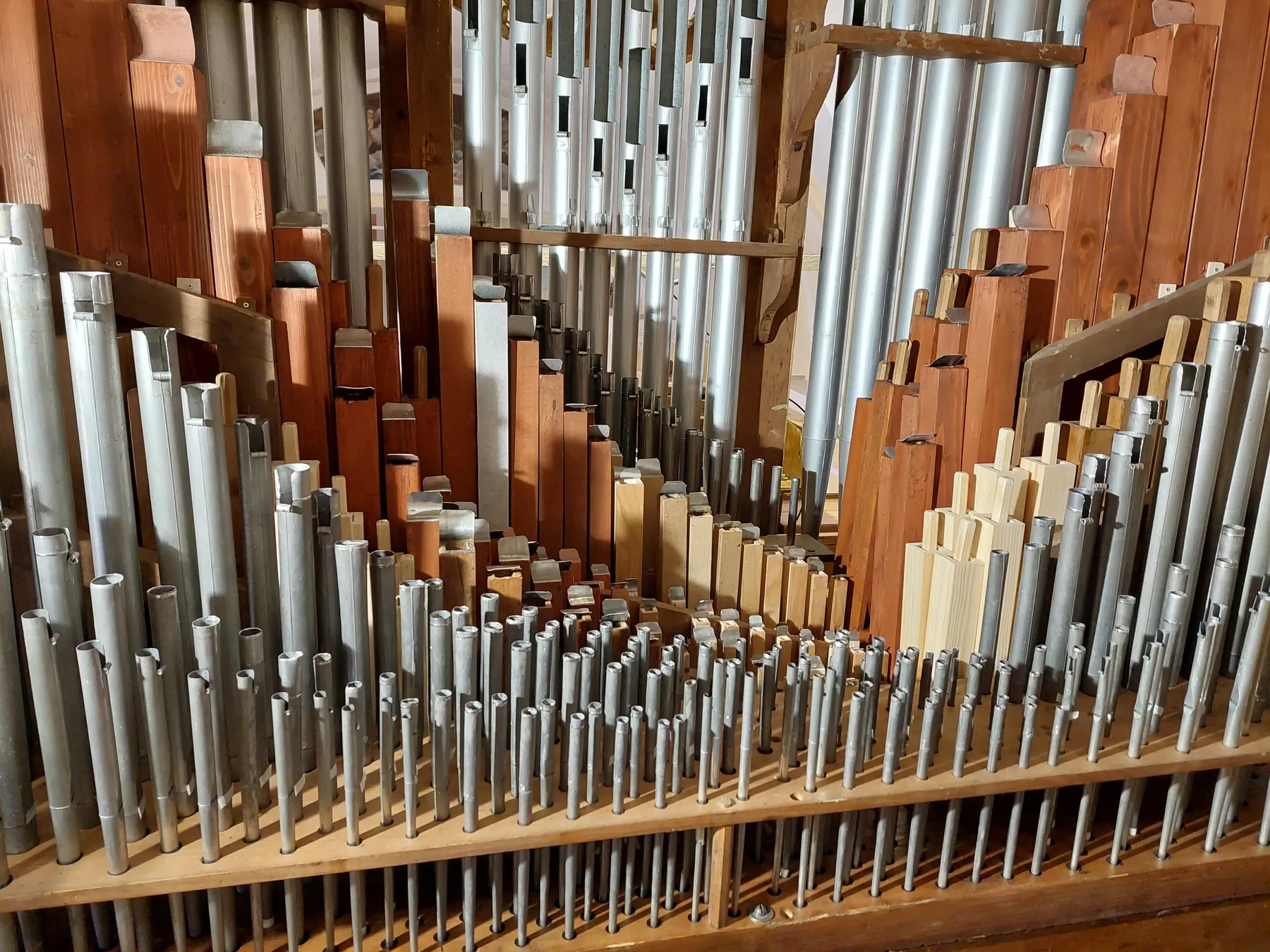
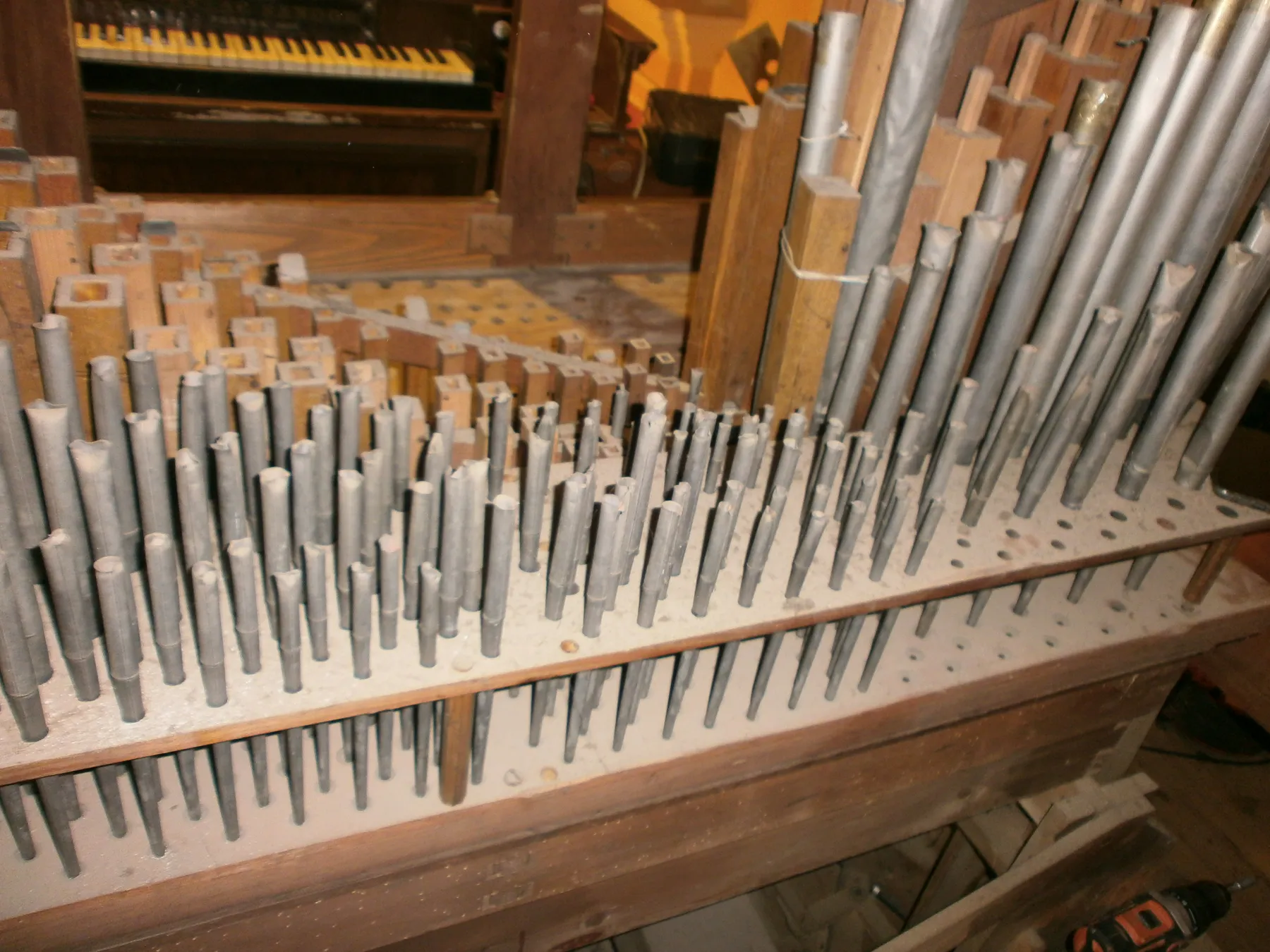
The pipework, that is all the pipes in the instrument, is removed row by row. Each pipe is cleaned, straightened and soldered where needed. The photographs show the difference between the condition we found and the pipes returned to the wind chest after repair.
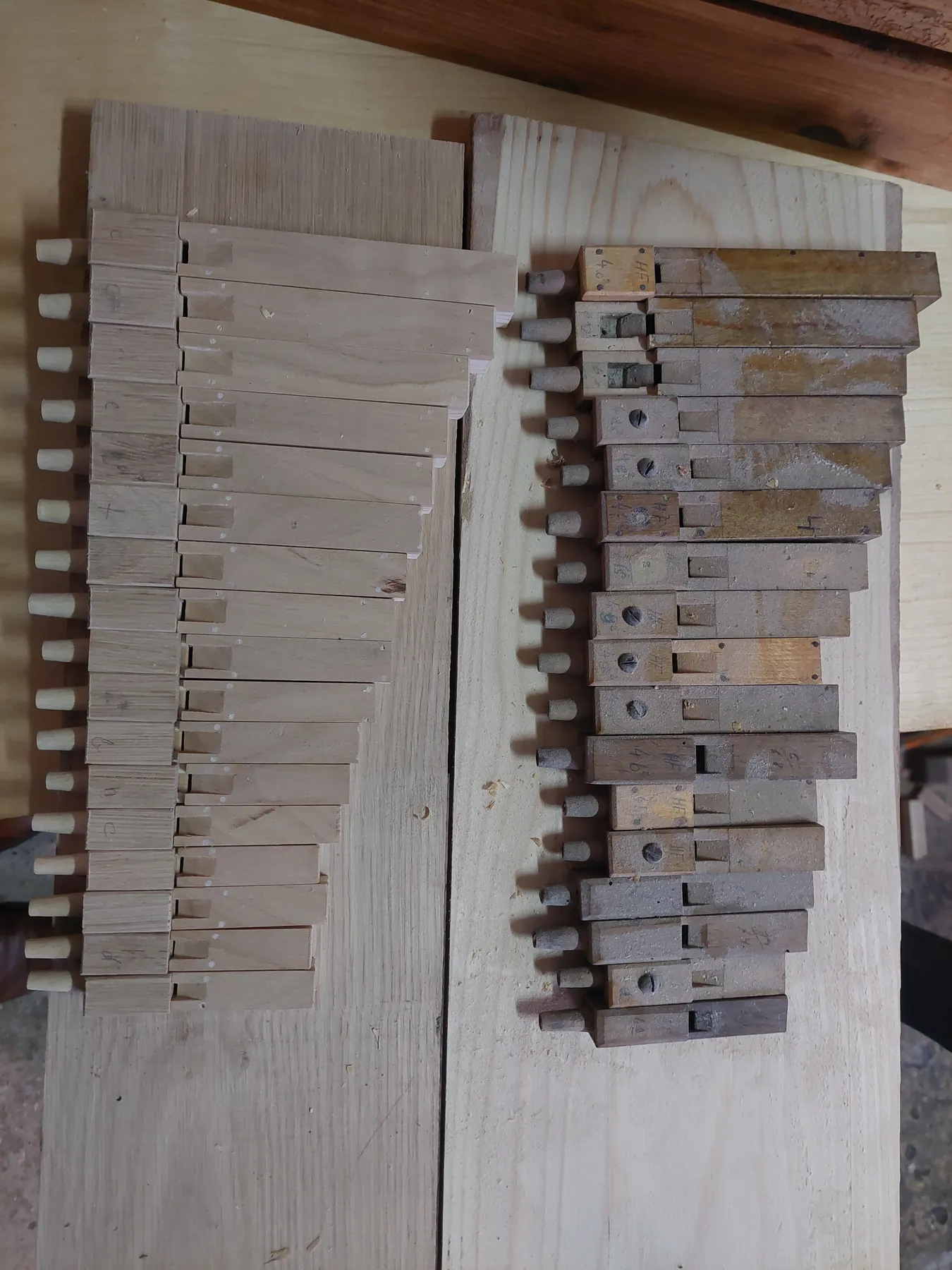
Wooden pipes that woodworm has damaged too badly cannot be saved. In that case we make new ones to the measurements of the old, from the same kind of wood, so that you cannot hear in the sound where the old ends and the new begins.
Voicing and tuning at the end
When everything is back in place, there follows the work that cannot be seen but can be heard. We voice and tune every pipe again in the space of the church. Only then is the restoration complete.
How long does it take?
It depends on the size of the instrument and the condition we find it in. A smaller job can be finished in a few weeks, while a thorough restoration of a larger organ takes months. We can only give an exact estimate after an inspection.